
Bidets and Their Impact on Reducing Plumbing Issues
Introduction
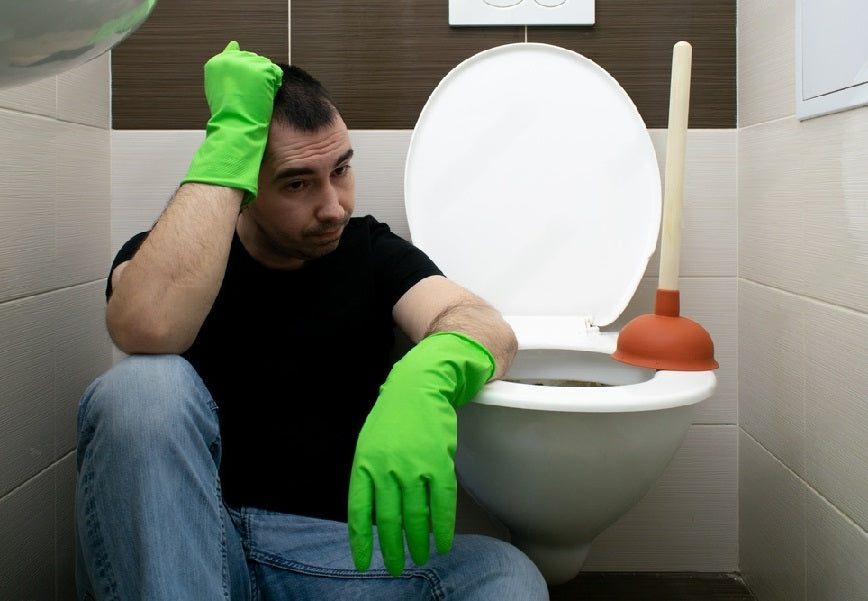
Plumbing problems can be a real headache for homeowners and businesses alike. From clogged toilets to costly leaks, maintaining a functional plumbing system is essential for the comfort and safety of any building. Bidets offer a hygienic alternative to relying entirely on toilet paper and may help reduce certain plumbing problems by limiting the amount of paper flushed down the toilet.
In this article, we will explore how bidets work, common plumbing issues, and the potential benefits of bidets for plumbing maintenance, environmental sustainability, and long-term cost savings.
Understanding Bidets
What Is a Bidet?
A bidet is a bathroom fixture designed to clean the genital and anal areas after using the toilet. Traditional bidets resemble a low sink or basin and are usually installed next to the toilet. Instead of relying entirely on toilet paper, bidets use water to provide a cleansing experience.
Types of Bidets
Standalone Bidets
Standalone bidets are separate bathroom fixtures installed next to the toilet. They typically resemble a small basin and use a faucet or spray nozzle to provide water for cleansing.
Bidet Toilet Seats
Bidet toilet seats attach to existing toilets and provide built-in water jets or spray functions. Depending on the model, they may also include features such as heated seats and air dryers.
Handheld Bidet Sprayers
Handheld bidet sprayers, also known as shattafs, consist of a spray nozzle connected to a flexible hose. They are installed near the toilet and allow users to control the direction and flow of water manually.
Each type of bidet offers different features and benefits. Choosing the right option depends on personal preferences, available bathroom space, installation requirements, and budget.
How Do Bidets Work?
Bidets use a stream of water to clean the genital and anal areas after using the toilet. Many models allow users to adjust the water pressure and, in some cases, the temperature for greater comfort.
Because bidets reduce the need for excessive wiping, they can also help reduce toilet paper consumption. This may lower the amount of paper entering the drainage system and help prevent some toilet clogs.
Benefits of Using a Bidet
Improved Personal Hygiene
Bidets provide a water-based cleansing method that can help remove residue after using the toilet. They offer an alternative to relying on toilet paper alone.
Reduced Skin Irritation
Frequent wiping can cause discomfort for people with sensitive skin. A gentle water spray may reduce friction and irritation for some users.
Environmental Sustainability
Using a bidet can reduce toilet paper consumption, potentially lowering paper waste and the environmental resources associated with paper production.
Long-Term Cost Savings
Although purchasing and installing a bidet involves an initial expense, reduced toilet paper consumption may lead to savings over time.
Improved Accessibility
Bidets can make personal hygiene easier for some people with limited mobility or disabilities. Certain bidet toilet seats include remote controls and other features designed to improve convenience.
Growing Popularity of Bidets Worldwide
Bidets have long been common in several regions, including parts of Europe and Asia. Their popularity has also grown in North America and other markets as consumers become more interested in personal hygiene, convenience, and reducing toilet paper use.
Common Plumbing Issues
Toilet Clogs and Drainage Blockages
Clogs and blockages are common plumbing problems in residential and commercial buildings. They occur when toilet paper, waste, or foreign objects become trapped in pipes and interfere with normal drainage.
Common Causes of Toilet Clogs
Excessive Toilet Paper Usage
Flushing large amounts of toilet paper at once can contribute to blockages, particularly when the plumbing system has limited drainage capacity or existing obstructions.
Flushing Foreign Objects
Items such as sanitary products, cotton balls, and wipes can cause blockages because they may not break down as easily as toilet paper. These items should be disposed of appropriately rather than flushed.
Waste and Debris Buildup in Pipes
Over time, waste and debris can accumulate inside drainage pipes and restrict water flow. Poor drainage and improper disposal of unsuitable materials can make the problem worse.
Effects of Clogs and Blockages
Toilet Backups and Overflows
A severe toilet blockage can cause water and waste to back up or overflow onto the bathroom floor, creating an unsanitary situation that requires immediate attention.
Slow Drainage
Blocked drainage pipes can cause water to drain slowly from toilets, sinks, showers, and bathtubs. This can be especially inconvenient in busy households and commercial properties.
Plumbing System Damage
Persistent blockages can place additional strain on plumbing systems and may contribute to further problems. Serious or recurring blockages should be inspected by a qualified plumbing professional.
Pipe Corrosion and Water Leaks
Pipe corrosion and leaks are other common plumbing concerns. Pipes can deteriorate over time due to age, water quality, and exposure to certain chemicals.
Leaks waste water and can damage walls, floors, and other building materials. Regular inspections and timely repairs can help identify problems before they become more expensive to address.
Environmental Impact of Plumbing Problems
Environmental Consequences of Clogged Pipes
Clogged pipes can cause sewage backups and overflows. When wastewater enters rivers, streams, or other waterways, it can introduce harmful pathogens and pollutants that threaten public health and aquatic ecosystems.
Proper disposal practices and regular plumbing maintenance can help reduce the risk of these problems.
Water Leaks and Water Scarcity
Leaks waste valuable freshwater resources. In areas affected by drought or water shortages, even small leaks can contribute to unnecessary water loss over time.
Leaking pipes can also damage property and infrastructure, increasing repair costs and the resources needed for restoration.
Environmental Contamination from Plumbing Issues
Plumbing failures involving wastewater or household chemicals can introduce pollutants into the surrounding environment. The severity of the impact depends on the substance released, the amount involved, and the location of the leak.
Prompt repairs and appropriate wastewater management are important for limiting potential contamination.
Effects of Plumbing Problems on Ecosystems
Contaminated waterways can harm aquatic plants and animals, disrupt food chains, and reduce habitat quality. These effects can extend beyond individual buildings and affect surrounding communities and ecosystems.
Ways to Reduce the Environmental Impact of Plumbing Issues
Preventive plumbing maintenance, infrastructure improvements, responsible waste disposal, and water conservation can all help reduce plumbing-related environmental problems.
Homeowners and businesses can contribute by addressing leaks promptly, avoiding flushing unsuitable materials, and arranging professional inspections when necessary.
How Bidets Help Reduce Plumbing Problems
Reduced Toilet Paper Usage
One of the main potential benefits of using a bidet is reduced toilet paper consumption. Water-based cleansing can reduce the amount of paper needed after using the toilet.
Using less toilet paper may also reduce paper waste and the volume of material entering the drainage system.
Lower Risk of Toilet Clogs and Blockages
Excessive toilet paper can contribute to clogs, especially in plumbing systems that already have drainage problems. By reducing reliance on toilet paper, bidets may help lower the risk of paper-related blockages.
However, bidets cannot prevent every type of clog. Foreign objects, pipe damage, and existing obstructions can still cause plumbing problems.
Less Strain on Plumbing Infrastructure
Reducing the amount of toilet paper flushed may help limit one source of blockage in household drainage systems. This can support routine plumbing maintenance, although the overall condition of the pipes and the way the system is used remain important factors.
Potential Water Savings with Bidets
Bidets use water during operation, but their overall environmental impact depends on the model, frequency of use, and the water and energy required to manufacture and dispose of toilet paper.
Some bidets include adjustable water pressure and other features that allow users to control water consumption. Actual savings vary by product and household usage.
Research and Case Studies on Bidets and Plumbing
Bidet Adoption and Plumbing Outcomes in Different Countries
Countries such as Japan have widespread bidet adoption and advanced bathroom technology. These examples demonstrate how bidets can become part of everyday hygiene practices.
However, widespread bidet use alone does not establish that a country experiences fewer plumbing problems. Plumbing infrastructure, maintenance practices, building design, and waste disposal habits also influence outcomes.
Comparing Plumbing Issues Among Bidet Users and Non-Users
Comparisons between bidet users and non-users could help explain whether reduced toilet paper consumption is associated with fewer blockages. Reliable conclusions require research that accounts for other factors affecting plumbing performance.
Specific studies should be cited before making claims about measured differences in plumbing problems between these groups.
Homeowner and Business Experiences with Bidets
Homeowners and businesses may choose bidets to improve hygiene, reduce toilet paper consumption, and make bathroom use more convenient. Experiences vary according to the type of bidet installed, maintenance routines, and the condition of the existing plumbing system.
Environmental and Economic Benefits of Bidets
Reduced Toilet Paper Consumption and Environmental Impact
Reducing toilet paper use can lower demand for paper products and potentially reduce the resources required for their production, packaging, and transportation.
The total environmental benefit depends on several factors, including bidet manufacturing, water consumption, electricity use, and the local energy supply.
Cost Savings for Homeowners and Businesses
Bidets may help reduce ongoing toilet paper expenses. They may also reduce some paper-related blockages, although the amount saved on plumbing repairs will depend on the property's existing plumbing conditions.
When evaluating costs, consider the purchase price, installation, maintenance, and operating expenses alongside potential savings.
Long-Term Sustainability of Plumbing Infrastructure
Responsible water use, proper waste disposal, and routine plumbing maintenance are essential for keeping plumbing systems in good condition.
By reducing toilet paper consumption, bidets may help address one potential source of blockages. However, they do not eliminate the need for plumbing inspections, repairs, or appropriate system maintenance.
Challenges and Considerations When Using Bidets
Initial Bidet Costs and Installation Challenges
The cost of installing a bidet depends on its type and features. Basic attachments and handheld sprayers may be relatively affordable, while advanced electronic models can cost more.
Some installations may require plumbing modifications or access to a suitable electrical outlet. Checking compatibility with the existing toilet and plumbing system before purchasing can help avoid unexpected costs.
Cultural Barriers and Misconceptions About Bidets
In areas where bidets are less common, people may be unfamiliar with how they work or may have concerns about hygiene and installation.
Clear information about proper use, cleaning, and maintenance can help consumers understand the available options and decide whether a bidet suits their needs.
Bidet Maintenance Requirements and Potential Issues
Like other bathroom fixtures, bidets require regular cleaning and maintenance. Users should clean the nozzle, inspect hoses and connections for leaks, and replace worn or damaged parts when necessary.
Electronic bidet models may also require troubleshooting if their heating, controls, or other powered features stop working. Following the manufacturer's maintenance instructions can help support reliable performance.
The Future of Bidets and Plumbing Sustainability
Growing Global Adoption of Bidets
As interest in personal hygiene and alternatives to traditional toilet paper continues to develop, bidets may become more common in additional markets. Affordability, product availability, bathroom design, and consumer awareness will influence adoption.
Technological Advancements in Bidet Design
Modern bidets offer a growing range of features intended to improve comfort and convenience.
Adjustable Water Pressure and Temperature
Adjustable settings allow users to customize the water stream and, on compatible models, its temperature.
Heated Seats and Built-In Air Dryers
Some electronic bidets include heated seats and air-drying functions that provide additional comfort and reduce the need for certain disposable hygiene products.
Smart Bidet Features and Remote Controls
Advanced models may include remote controls, programmable settings, and connected features that make operation more convenient.
The Future of Plumbing Infrastructure and Sustainability
Bidets may contribute to more sustainable bathroom habits by reducing reliance on toilet paper. Their broader impact will depend on responsible water use, product efficiency, proper installation, and ongoing plumbing maintenance.
As communities address water conservation and environmental challenges, evaluating bidets alongside other sustainable bathroom practices can help consumers make informed choices.
Conclusion: How Bidets Can Help Reduce Plumbing Issues
Bidets offer an alternative to relying entirely on toilet paper and can support personal hygiene, convenience, and reduced paper consumption. Because excessive toilet paper can contribute to certain clogs, using a bidet may help reduce one potential cause of toilet blockages.
However, bidets are not a complete solution to plumbing problems such as pipe corrosion, leaks, foreign-object blockages, or damaged drainage systems. Proper installation, regular maintenance, and responsible waste disposal remain essential.
For homeowners and businesses considering a bidet, the best approach is to choose a suitable model, follow the manufacturer's instructions, and maintain the plumbing system regularly.