
Bidet Maintenance for Longevity: Complete Guide to Cleaning, Care and Troubleshooting
Bidets have become increasingly popular in modern bathrooms for their hygiene benefits and environmental advantages. However, like any appliance, bidets require regular maintenance to ensure they function effectively and last for years to come. In this comprehensive guide, we'll explore everything you need to know about maintaining your bidet for longevity.
Understanding Your Bidet
Types of Bidets
Handheld Bidet Sprayer for Toilet
Standalone hand held bidet sprayers are separate fixtures installed next to the toilet. They resemble a small basin and are designed for the user to straddle while washing. Standalone hand bidets come in various styles, including toilet tank mounted and wall-mounted options, and may feature single or multiple faucets for water control.
Integrated Bidets
Integrated bidets, also known as bidet toilet seats or washlets, are designed to replace the standard toilet seat. These bidets feature built-in washing capabilities, including adjustable water temperature, pressure, and spray patterns. Integrated bidets are convenient as they allow users to remain seated on the toilet while using the bidet function.
Faucet Bidets
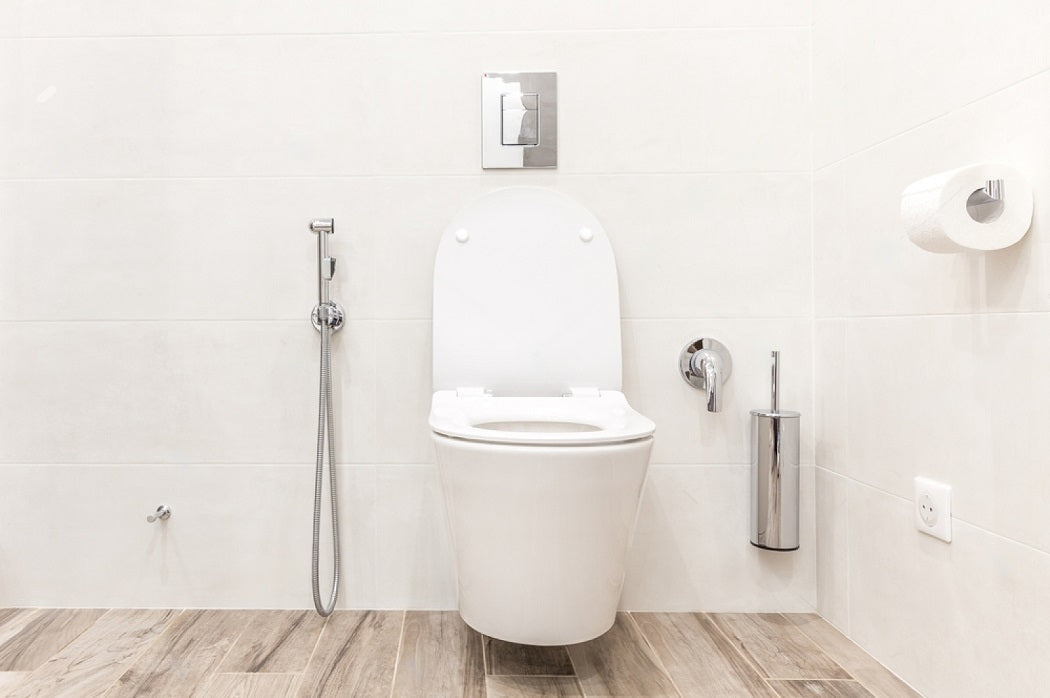
Faucet bidets, also known as handheld bidets or bidet sprayers, are fixtures that resemble a small showerhead attached to a flexible hose. These bidets are typically installed next to the toilet or on the bathroom wall and are used for personal cleansing. Faucet bidets offer adjustable water pressure and spray patterns for customized comfort and are a popular choice in many parts of the world for their simplicity and effectiveness.
Portable Bidets
Portable bidets, also known as travel bidets or bidet bottles, are handheld devices used for personal hygiene while on the go. These compact devices typically consist of a squeeze bottle or spray nozzle that can be filled with water for cleansing. Portable bidets are convenient for travel or for individuals who prefer a bidet-like experience outside of their home.
Components of a Bidet
Bidet Nozzles
Nozzles are one of the key components of a bidet and are responsible for delivering water for cleansing. Bidets can have one or multiple nozzles, depending on the design. These nozzles are typically adjustable and may offer different spray patterns and water pressure settings for personalized comfort.
Bidet Water Temperature Control
Many bidets feature water temperature control, allowing users to adjust the temperature of the cleansing water according to their preferences. This feature is particularly useful for ensuring comfort during use, especially in colder climates where warm water may be preferred.
Bidet Water Pressure Control
Water pressure control allows users to adjust the intensity of the water spray during cleansing. Some bidets offer multiple pressure settings, ranging from gentle to strong, to accommodate different preferences and sensitivities.
Bidet Spray Patterns
Bidets may offer various spray patterns to enhance the cleansing experience. Common spray patterns include oscillating, pulsating, and aerated sprays. These patterns can help improve cleansing effectiveness and provide a more comfortable experience for users.
Bidet Settings Controls
Modern bidets often come with electronic controls or buttons that allow users to customize various settings, such as water temperature, pressure, and spray patterns. These controls may be located on a remote control panel or directly on the bidet unit for easy access.
Bidet Air Dryer
Some advanced bidet models are equipped with an integrated air dryer that helps to dry the user after cleansing. This feature eliminates the need for toilet paper and enhances the overall hygiene experience. The air dryer typically offers adjustable temperature settings for added comfort.
Bidet Seat Heating
Seat heating is a luxurious feature found in some bidet models that helps to keep the toilet seat warm during use. This can be particularly comforting during colder months and adds an extra level of comfort to the bidet experience.
Bidet Deodorizer
Certain bidets are equipped with a built-in deodorizer that helps to neutralize odors in the bathroom. The deodorizer typically contains activated carbon filters or other odor-absorbing materials that capture and eliminate unpleasant smells, keeping the bathroom fresh and inviting.
Bidet Remote Control
Many modern bidets come with a remote control that allows users to conveniently adjust settings without having to reach for controls on the bidet unit itself. Remote controls may offer additional features such as programmable user profiles, self-cleaning functions, and eco-friendly modes for water and energy conservation.
Common Materials Used in Bidets
Ceramic Bidets
Ceramic is one of the most common materials used in the construction of bidets, particularly standalone models. Ceramic bidets are durable, easy to clean, and resistant to stains and scratches. They also offer a sleek and elegant appearance that complements any bathroom décor.
Plastic Bidets
Plastic bidets are lightweight, affordable, and easy to install, making them a popular choice for bidet attachments and portable bidets. Plastic bidets are available in a variety of colors and designs, making it easy to find one that matches your bathroom aesthetic. However, plastic bidets may not be as durable as ceramic or stainless steel options.
Stainless Steel Bidets
Stainless steel bidets are known for their durability, corrosion resistance, and hygienic properties. Stainless steel is easy to clean and maintain, making it a popular choice for high-end bidet models. Stainless steel bidets also offer a sleek and modern appearance that adds a touch of elegance to any bathroom.
Brass Bidets
Brass bidets are durable, corrosion-resistant, and offer a classic and timeless aesthetic. Brass bidets are often used in high-end or luxury bathroom designs due to their durability and aesthetic appeal. However, brass bidets may require regular polishing to maintain their shine and luster.
ABS Plastic Bidets
ABS (Acrylonitrile Butadiene Styrene) plastic is a lightweight and durable material commonly used in the construction of bidet attachments and handheld bidets. ABS plastic is resistant to impact and chemicals, making it suitable for use in the bathroom environment. It is also easy to mold and shape, allowing for the creation of intricate designs and features.
Composite Bidet Materials
Composite materials, such as fiberglass-reinforced plastics, are also used in the construction of bidets. These materials offer a good balance of durability, affordability, and design flexibility. Composite bidets are available in a wide range of colors and styles, making them suitable for various bathroom designs and preferences.
Wood Bidets
Wood bidets are less common but can add a unique and natural touch to the bathroom environment. Wood bidets are often made from teak or bamboo, which are resistant to moisture and humidity. However, wood bidets require regular maintenance, including sealing and polishing, to prevent warping, cracking, and mold growth.
Regular Bidet Cleaning Routine
Daily Bidet Cleaning Tasks
Daily cleaning tasks for your bidet maintenance include wiping down surfaces with a mild soap solution and a soft cloth. This helps remove any dirt or residue that may accumulate during use and prevents buildup over time.
Weekly Bidet Cleaning Tasks
On a weekly basis, it's important to sanitize the nozzles of your bidet to prevent the growth of bacteria and mold. This can be done using a mixture of water and vinegar or a mild disinfectant cleaner. Be sure to follow the manufacturer's instructions for cleaning and maintenance.
Monthly Bidet Maintenance
Monthly maintenance tasks for your bidet may include descaling to remove mineral deposits that can affect performance. This can be done using a commercial descaling solution or a mixture of water and vinegar. Regular descaling helps maintain water flow and prevents clogs.
Bidet Troubleshooting and Repairs
Identifying Common Bidet Issues
Common issues with bidets include low water pressure, inconsistent spray patterns, and leaks. By familiarizing yourself with these common problems, you can troubleshoot and address them quickly to prevent further damage.
Step-by-Step Bidet Troubleshooting Guide
If you encounter a problem with your bidet, follow these steps to troubleshoot:
-
Check the Water Supply: Ensure that the water supply to the bidet is turned on and that there are no obstructions in the water line.
-
Inspect the Nozzles: Check for any clogs or blockages in the nozzles that may be affecting water flow.
-
Adjust Settings: Experiment with different water pressure and spray pattern settings to see if that resolves the issue.
-
Contact Customer Support: If you're unable to resolve the problem on your own, contact the manufacturer's customer support for assistance.
When to Call a Professional
If you're unable to resolve a problem with your bidet on your own, it may be time to call a professional plumber or technician. They have the expertise and tools necessary to diagnose and repair more complex issues.
Protecting Your Bidet Investment
Tips for Preventing Bidet Damage
To prevent damage to your bidet, avoid using harsh chemical cleaners or abrasive scrubbers, as these can cause scratches and wear down the finish. Instead, opt for mild soap and water or specialized cleaning products recommended by the manufacturer.
Proper Bidet Usage Guidelines
Educate yourself and your household members on the proper usage of the bidet to prevent misuse or accidental damage. This includes avoiding sitting or standing on the bidet, as well as using it only for its intended purpose.
Bidet Warranty Information
Review the warranty information provided by the manufacturer to understand what is covered and for how long. Consider purchasing an extended protection plan for added peace of mind.
Environmental Considerations for Bidets
Bidet Water Conservation Tips
While bidets use water for cleaning, they are generally more water-efficient than traditional toilet paper. To further reduce water usage, consider installing a bidet with adjustable water pressure settings and a low-flow feature.
Bidet Energy-Saving Features
Some bidets come with energy-saving features such as timers or sensors that automatically power off when not in use. Take advantage of these features to reduce energy consumption and lower your utility bills.
Sustainable Bidet Maintenance Practices
In addition to conserving water and energy, you can adopt sustainable maintenance practices such as using eco-friendly cleaning products and recycling packaging materials. Small changes can add up to make a big difference for the environment.
Conclusion: How to Maintain Your Bidet for Long-Term Performance
In conclusion, maintaining a bidet for longevity involves understanding its components, implementing a regular cleaning routine, troubleshooting common issues, and protecting your investment.
By following the tips outlined in this guide and staying proactive with maintenance, you can ensure that your bidet remains in optimal condition for years to come, providing you with hygiene benefits and environmental sustainability.